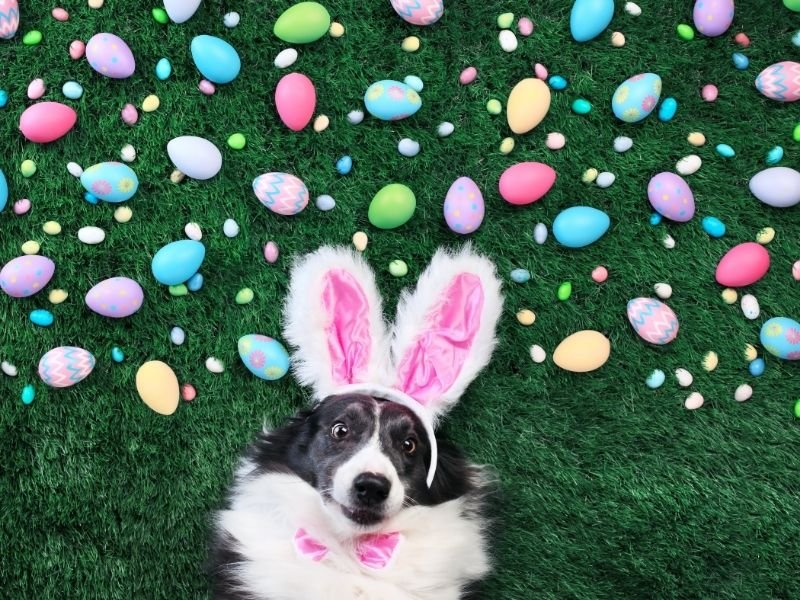
Easter is one of New Zealand’s biggest long weekends. The kids are off school, the house is full of chocolate, and there’s a good chance you’re hosting family, heading away, or both. It’s a time to slow down and enjoy – but it’s also a weekend when vets across the country see a sharp spike in emergency visits.
As a professional dog walker and pet sitter with over ten years of experience caring for Christchurch’s dogs, I’ve seen how quickly a fun Easter weekend can turn into a stressful trip to the after-hours vet. The good news is that most Easter emergencies are completely preventable – if you know what to watch out for.
Here are the biggest Easter hazards for dogs in New Zealand, with practical advice for keeping your furry family member safe this long weekend.
1. Chocolate – The Obvious One That Still Catches People Out
Most Kiwi dog owners know chocolate is bad for dogs. But every single Easter, vets across New Zealand treat dogs who’ve raided an unattended Easter egg stash. It happens more often than you’d think.
Chocolate contains a compound called theobromine, along with caffeine. Dogs metabolise these substances far more slowly than humans, which means even a relatively small amount can make them seriously ill. The darker the chocolate, the more dangerous it is – dark chocolate and cooking chocolate contain the highest concentrations of theobromine. But milk chocolate isn’t safe either, especially in larger quantities.
Signs your dog may have eaten chocolate include vomiting, diarrhoea, restlessness, excessive panting, rapid heart rate, and hyperactivity. In severe cases, dogs can develop tremors, seizures, and cardiac problems. Symptoms can take several hours to appear, which is why it’s important to act fast even if your dog seems fine initially.
What to do: If you suspect your dog has eaten chocolate – any amount, any type – call your vet immediately. Don’t wait for symptoms to appear. Try to work out roughly how much chocolate they’ve eaten and what type it was, as this helps your vet assess the risk.
Easter-specific tip: If you’re doing an Easter egg hunt with the kids, count the eggs before you hide them and count them again afterwards. Dogs have an incredible sense of smell and will find eggs that the children miss – sometimes days later.
2. Hot Cross Buns
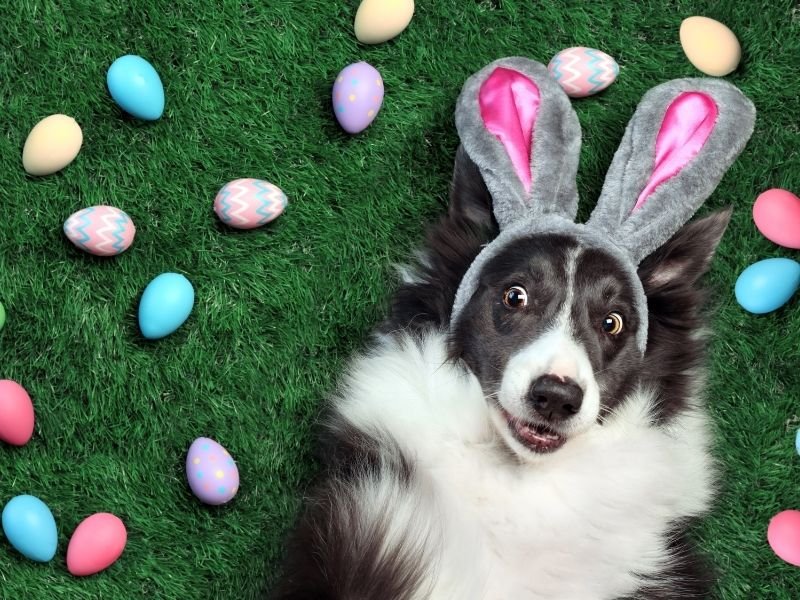
This is the hazard that surprises many New Zealand dog owners. Hot cross buns are absolutely everywhere over Easter – on the kitchen bench, toasting in the morning, sitting out at family gatherings. And they contain ingredients that are extremely toxic to dogs.
Sultanas, raisins, and currants can cause acute kidney failure in dogs. What makes this particularly frightening is that the toxic dose is unpredictable. Some dogs have eaten a handful of raisins and been fine, while others – including large breeds – have died after eating just a few. Scientists still don’t fully understand what it is about grapes and their dried forms that makes them so dangerous to dogs, which means there is no safe amount.
Even a single hot cross bun could contain enough dried fruit to cause life-threatening kidney damage. Symptoms may include vomiting, lethargy, loss of appetite, abdominal pain, and reduced urination. These signs can take 24 to 72 hours to develop, by which time significant kidney damage may have already occurred.
What to do: Keep hot cross buns well out of reach at all times. If your dog eats one – even just a bite – treat it as an emergency and contact your vet immediately. Time is critical with raisin and sultana toxicity.

3. Easter Lilies and Other Toxic Plants
Easter is prime time for gifting flowers, and lilies are one of the most popular choices. They’re also one of the most dangerous plants for pets.
While lilies are most notorious for being fatal to cats – even brushing against the pollen and then grooming it off can cause kidney failure in felines – certain varieties are harmful to dogs too. Peace lilies, calla lilies, lily of the valley, and autumn crocus can all cause problems ranging from oral irritation and vomiting to serious cardiac issues.
But lilies aren’t the only concern. In New Zealand, we have some additional plants to be aware of around this time of year. Daffodil bulbs are toxic to dogs, causing vomiting, diarrhoea, convulsions, and low blood pressure – and dogs that like to dig in the garden are particularly at risk. The SPCA also specifically warns Kiwi dog owners about karaka tree berries, which ripen and fall between January and April. The kernels contain an alkaloid called karakin that can be fatal to dogs, and the berries remain toxic even from the previous season.
Other common New Zealand garden plants that are toxic to dogs include foxgloves, black nightshade, New Zealand tree nettle (onga onga), azaleas, wandering jew, and ivy.
What to do: If you receive Easter flowers, check whether they’re safe for pets before displaying them. Keep all flower arrangements out of reach. In the garden, be aware of what your dog has access to, and on walks, keep an eye out for fallen karaka berries – they’re bright orange and easy to spot once you know what to look for.

4. Xylitol in Sugar-Free Easter Treats
This is a lesser-known hazard that’s becoming more relevant as sugar-free products grow in popularity. Xylitol (also marketed as birch sugar) is an artificial sweetener found in some sugar-free chocolates, sweets, chewing gum, and baked goods. It’s perfectly safe for humans but extremely toxic to dogs – even in very small amounts.
Xylitol causes a rapid release of insulin in dogs, leading to a dangerous drop in blood sugar. It can also cause liver failure. Signs of xylitol poisoning include vomiting, weakness, loss of coordination, tremors, and seizures.
What to do: Check the ingredients on any sugar-free treats in your home, especially those in Easter baskets or on the table where dogs can reach them. If your dog eats anything containing xylitol, contact your vet immediately.

5. The Easter Roast and Table Scraps
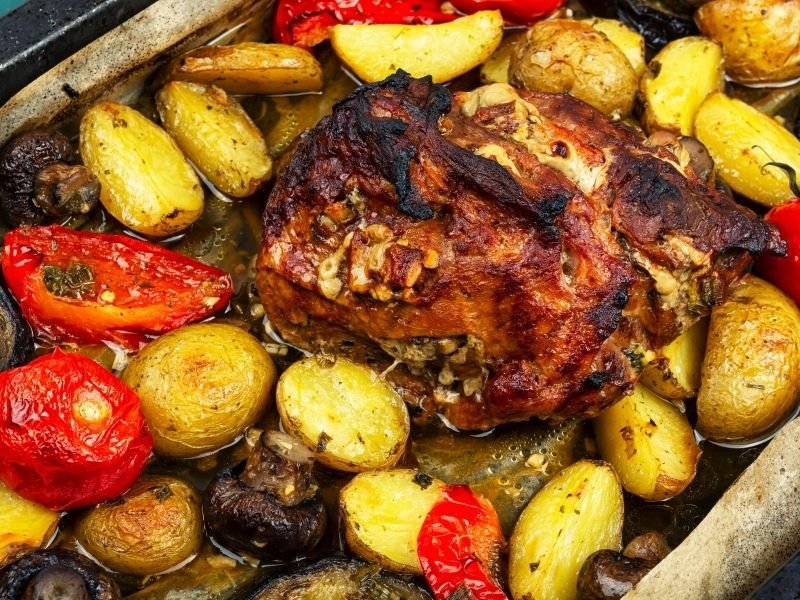
Many Kiwi families enjoy a roast over Easter, and it can be tempting to slip your dog a few scraps from the table. But fatty foods like ham, lamb fat trimmings, and butter-rich dishes can cause digestive upset and, in more serious cases, pancreatitis – a painful and potentially life-threatening inflammation of the pancreas.
Cooked bones are another risk. They can splinter and cause choking, intestinal obstruction, or perforation. And watch out for other common roast dinner ingredients that are toxic to dogs – onions, garlic, and chives can all cause damage to red blood cells.
What to do: Feed your dog their normal diet over Easter. If you want to give them a special treat, a raw carrot, natural dog treats or a small amount of plain cooked lean meat is a much safer option. And make sure your rubbish bin is secure – the leftovers from a big meal can be just as dangerous as the meal itself if your dog gets into the bin overnight.
6. Plastic Easter Grass, Foil Wrappers, and Small Toys
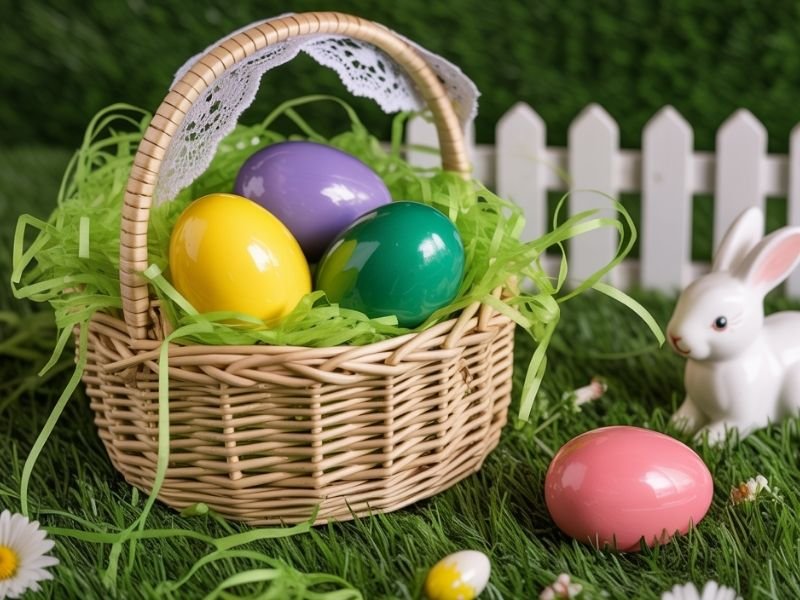
Easter baskets often come filled with plastic grass, foil-wrapped eggs, and small plastic toys or decorations. All of these can be dangerous to curious dogs.
Plastic grass and foil wrappers are not digestible. If swallowed, they can become lodged in the intestines, causing a blockage that may require emergency surgery. Small plastic eggs and toys are choking hazards.
What to do: Use paper-based alternatives to plastic grass in Easter baskets. Keep all wrappers, packaging, and small decorations out of your dog’s reach. After the Easter egg hunt, do a thorough sweep of the garden to make sure nothing has been left behind.
7. Routine Disruption and Visitor Stress
This one doesn’t make the dramatic headlines, but it’s one of the most common reasons dogs struggle over Easter. The long weekend often means disrupted routines – later mornings, different walk times, the house full of visitors, kids running around, doors opening and closing, noise levels up. For some dogs, this is great fun. For others, especially anxious or reactive dogs, it can be genuinely stressful.
Stressed dogs are also more likely to get into things they shouldn’t, eat things they normally wouldn’t, and behave unpredictably around unfamiliar people.
What to do: Try to keep your dog’s routine as close to normal as possible. Stick to their usual walk times, feeding times, and bedtime. Set up a quiet, comfortable space where they can retreat from the activity if they need to. If you have visitors, brief them on your dog’s boundaries – particularly around children who may want to play with or feed the dog. And make sure your dog is wearing their collar and ID tag, as the increased foot traffic through doors creates more opportunities for escape.

What to Do in an Emergency
If your dog eats something they shouldn’t over the Easter weekend, don’t wait – contact your vet or your nearest after-hours emergency vet immediately.
In Christchurch, the after-hours emergency vet service is:
Christchurch After Hours Veterinary Centre 146 Antigua Street, Addington Phone: (03) 366 1052 Open: Weekdays 7pm–7:30am | Weekends and public holidays: 24 hours
Emergency Vet Hospital (Rangiora) 181 Lehmans Road, Rangiora Phone: 0800 384 111
When you call, try to have the following information ready: what your dog ate, approximately how much, when they ate it, your dog’s weight, and any symptoms they’re showing. This helps the vet assess the situation quickly.
The New Zealand Veterinary Association recommends following the P.E.T approach for animal emergencies: Pause to assess whether it’s a true emergency, make the Emergency call to your vet for advice, and then Take your pet in if advised to do so.
A Safe Easter is a Happy Easter
Most of these hazards are easy to prevent once you’re aware of them. A little preparation goes a long way – secure the chocolate, keep the hot cross buns up high, check your garden for toxic plants, and make sure your dog has a calm, comfortable space to retreat to.
From our family at VIPets to yours – have a safe, relaxing Easter long weekend. And if you’re heading away and need a trusted pet sitter to keep your dog safe and happy at home, we’ve still got limited availability for the Easter break.
💜 Get in touch: vipets.co.nz | 021 134 8094
VIPets is Christchurch’s trusted solo dog walking and in-home pet sitting service, specialising in one-on-one care for all dogs – including reactive and anxious pups. We’ve been caring for Christchurch’s pets since 2015.